


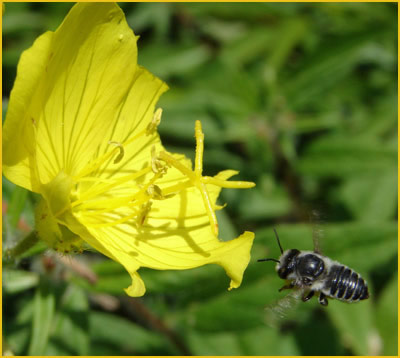
How-To: Gardening for Pollinators
Pollinator Value of NRCS Plant Releases used in Conservation Plantings
http://plant-materials.nrcs.usda.gov/technical/pollinator_Value.html
From the Plant Materials Program of the USDA-Natural Resources Conservation Service
This link lists native forbs/wildflowers and legumes selected by the Plant Materials Program that are useful in creating habitat for butterflies, bees, hummingbirds, and other important pollinators.
For more information about the Plant Materials Program and where to locate vendors of these released plants, contact the PMC or plant materials specialist that serves your state ( http://www.nrcs.usda.gov/wps/portal/nrcs/site/plantmaterials/home/). This information was compiled by Plant Materials Program staff in cooperation with Eric Mader, Assistant Pollinator Program Director, and Jennifer Hopwood, Midwest Outreach Coordinator, of The Xerces Society (http://www.xerces.org/).